
Discover the transformative impact of paver power washing as we delve into the realm of outdoor maintenance. From revitalizing tired surfaces to prolonging the lifespan of your outdoor spaces, this guide offers a comprehensive look at the importance, techniques, and safety measures of this essential cleaning process.
Learn about the necessary equipment, preparation steps, effective techniques, and safety precautions to ensure a successful paver power washing experience.
Importance of Paver Power Washing
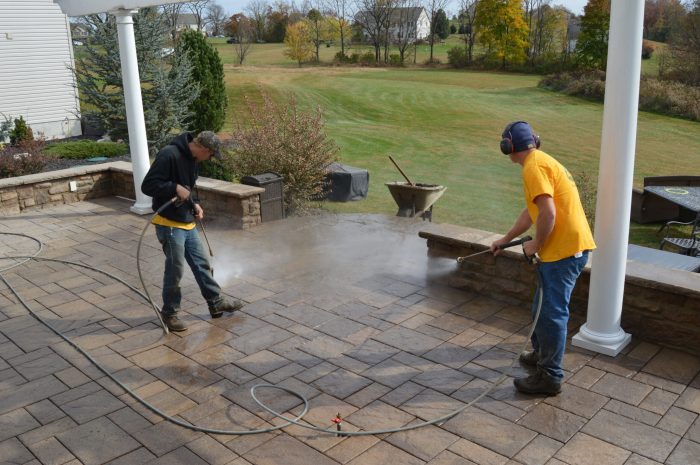
Keeping outdoor spaces looking their best and ensuring the longevity of pavers requires regular power washing.
Benefits of Regularly Power Washing Pavers
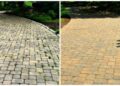
- Enhances curb appeal by removing dirt, grime, and stains, making the pavers look clean and well-maintained.
- Prevents the growth of mold and mildew, which can cause discoloration and deterioration of the pavers over time.
- Helps maintain the structural integrity of the pavers by removing debris that can cause damage or create uneven surfaces.
- Increases the lifespan of the pavers, saving money in the long run by avoiding costly repairs or replacements.
Equipment and Materials Needed
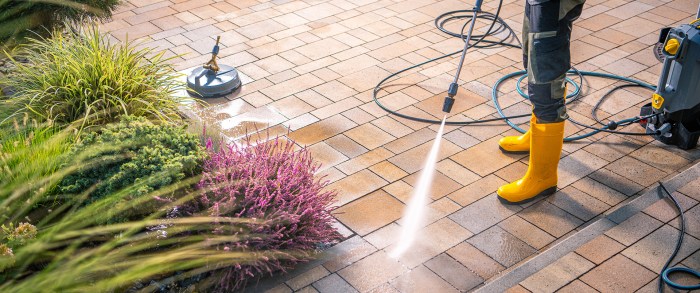
When it comes to paver power washing, having the right equipment and materials is essential to achieve the best results. Here is a breakdown of what you will need:
Power Washer
Power washers are available in different types, including electric, gas, and pressure washers. For paver cleaning, a pressure washer with at least 3000 PSI (pounds per square inch) is recommended to effectively remove dirt, grime, and stains without causing damage to the pavers.
Cleaning Solutions and Detergents
Choosing the right cleaning solution or detergent is crucial for paver power washing. Look for products specifically designed for use with pressure washers and pavers. Opt for environmentally friendly options to minimize harm to surrounding plants and wildlife. Additionally, consider using a detergent that can help break down tough stains like oil, grease, or mold without harming the pavers.
Protective Gear
Don't forget to wear protective gear, such as goggles, gloves, and closed-toe shoes, while power washing pavers. This will help protect you from any debris or splashback that may occur during the cleaning process.
Accessories
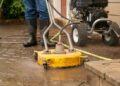
Depending on the specific needs of your paver cleaning project, you may also require accessories like extension wands, surface cleaners, and scrub brushes to reach tight corners and ensure a thorough clean.
Preparation for Paver Power Washing
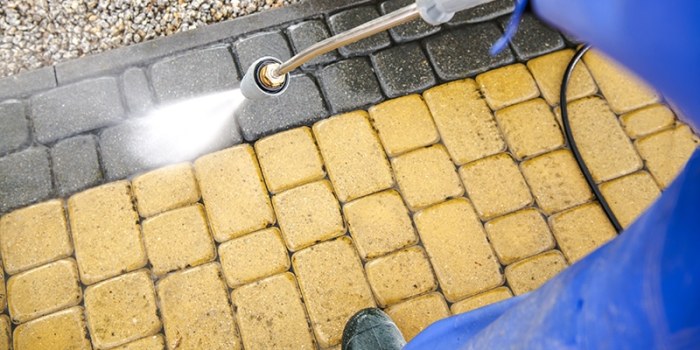
Before starting the power washing process on your pavers, it is crucial to properly prepare the area to ensure effective and safe cleaning.
Clearing Debris and Weeds
- Begin by removing any debris, such as leaves, twigs, or loose dirt, from the surface of the pavers. This will prevent clogging of the power washer and ensure a thorough cleaning.
- Next, carefully remove any weeds or grass growing between the pavers. Use a weeding tool or a small shovel to uproot them completely.
- Clearing debris and weeds will not only improve the appearance of your pavers but also prevent any interference during the power washing process.
Protecting Surrounding Plants and Delicate Surfaces
- Before starting the power washing, cover any surrounding plants, flowers, or delicate surfaces with a tarp or plastic sheeting to protect them from the high-pressure water.
- Consider using a gentle cleaning solution or eco-friendly detergent to minimize the impact on the environment and surrounding vegetation.
- Be cautious while power washing near painted surfaces, wooden structures, or fragile items to avoid causing any damage during the cleaning process.
Techniques and Best Practices
When it comes to power washing pavers, using the right techniques is crucial to achieve a clean surface without causing any damage. Here we will discuss the recommended techniques and best practices to follow.
Ideal Pressure Settings and Nozzle Types
It is essential to adjust the pressure settings and choose the right nozzle type based on the type of paver material you are working with. Here are some general guidelines to keep in mind:
- For softer materials like brick or concrete pavers, use a lower pressure setting to avoid etching or damaging the surface. A 25-40-degree wide fan nozzle is ideal for these materials.
- For tougher materials like natural stone pavers, you can use a higher pressure setting, but be careful not to use too much pressure as it can cause chipping or pitting. A 15-25-degree nozzle works well for these materials.
- Always start with the lowest pressure setting and gradually increase if needed, testing on a small inconspicuous area first.
Avoiding Streaking or Uneven Results
To prevent streaking or uneven cleaning results when power washing pavers, follow these tips:
- Ensure even coverage by moving the wand in a consistent, overlapping pattern to avoid missing spots.
- Maintain a proper distance between the nozzle and the paver surface, typically around 12-18 inches, to prevent streaking or damage.
- Work in small sections at a time to ensure thorough cleaning and avoid letting the detergent dry on the surface, which can cause streaking.
- Rinse thoroughly after power washing to remove any residue and prevent streaking or discoloration.
Safety Precautions
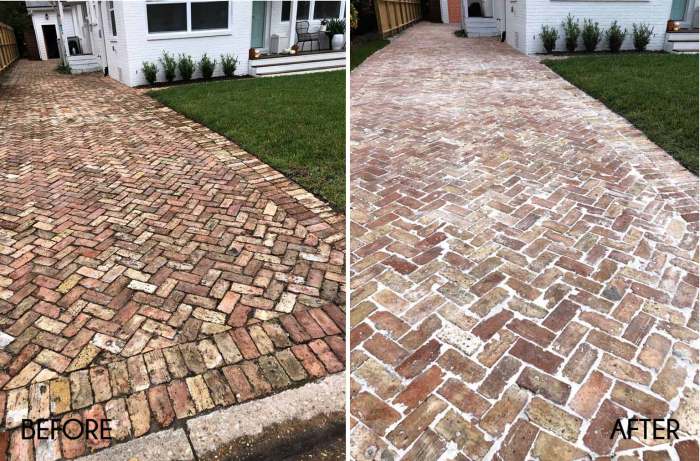
When using power washers for paver cleaning, it is crucial to follow important safety measures to protect yourself from potential hazards. This includes being aware of flying debris and slippery surfaces, as well as wearing appropriate personal protective equipment (PPE) during power washing.
Protective Gear
Before starting the power washing process, ensure you are wearing the necessary protective gear to prevent any injuries. This includes:
- Protective eyewear to shield your eyes from debris and chemicals
- Gloves to protect your hands from the force of the power washer and any chemicals used
- Non-slip footwear to prevent slips and falls on wet and potentially slippery surfaces
- Protective clothing to cover your skin from any splashes or spills
Safe Operation
When operating a power washer for paver cleaning, it is important to follow these safety precautions:
- Read and follow the manufacturer's instructions carefully
- Ensure the power washer is on a stable surface to prevent tipping
- Avoid pointing the nozzle at yourself or others to prevent injury
- Keep a safe distance from the surface being cleaned to prevent damage or injury
- Never use the power washer near electrical outlets or wiring to avoid electrical hazards
Environmental Concerns
It is also important to consider the environmental impact of power washing and take precautions to protect the surrounding area:
- Avoid using harsh chemicals that can harm plants, animals, or water sources
- Use environmentally-friendly cleaning solutions when possible
- Properly dispose of any waste water to prevent contamination
Last Recap
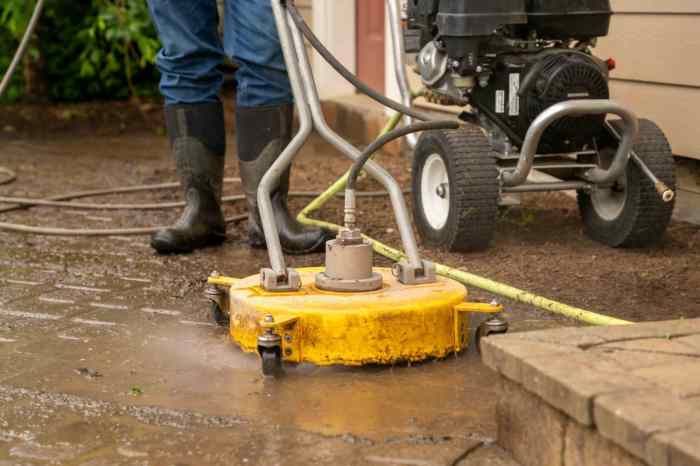
In conclusion, paver power washing emerges as a vital tool in preserving the beauty and integrity of outdoor surfaces. By following the guidelines Artikeld in this discussion, you can achieve remarkable results and enjoy a refreshed outdoor environment.
Clarifying Questions
How often should I power wash my pavers?
It is recommended to power wash your pavers at least once a year to maintain their appearance and longevity.
Can I use regular soap for power washing pavers?
No, it is best to use cleaning solutions and detergents specifically designed for power washing pavers to achieve optimal results.
Do I need to seal my pavers after power washing?
Sealing your pavers after power washing can help protect them from future damage and extend their lifespan.