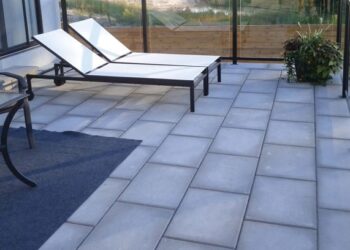

When it comes to dealing with a cracked cement patio, the key is to address the issue promptly and effectively. From understanding the causes of these cracks to exploring repair methods and prevention techniques, this guide covers everything you need to know to restore your patio to its former glory.
Let's dive in and discover the best ways to fix a cracked cement patio.
Causes of Cracked Cement Patio
Cracked cement patios can be a common issue for many homeowners, often caused by various factors such as:
Weather Conditions
Extreme weather conditions, such as freezing temperatures, heavy rainfall, or prolonged exposure to sunlight, can lead to the expansion and contraction of the cement patio, resulting in cracks over time.
Poor Installation
Improper installation of the cement patio, including inadequate preparation of the base, incorrect mixing of materials, or insufficient curing time, can weaken the structure and make it more susceptible to cracking.
Types of Cracks
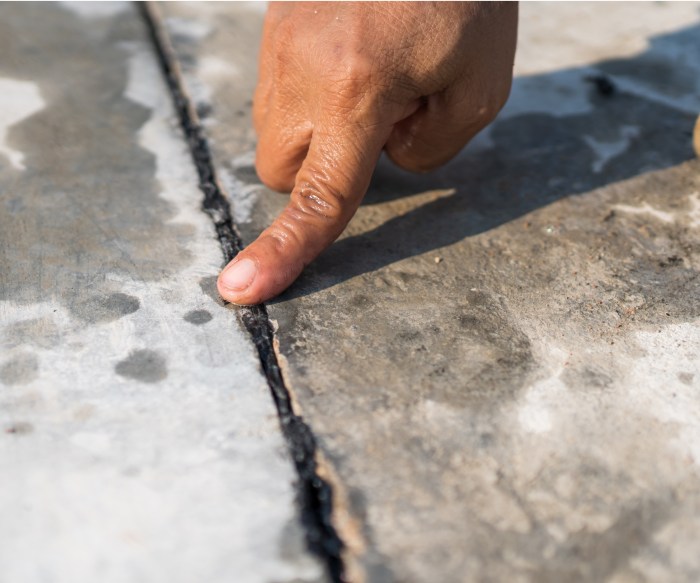
Cracks on a cement patio can vary in type and severity, each requiring different approaches for repair. It is important to understand the different types of cracks that can appear to effectively address the issue.
Surface Cracks
Surface cracks are typically hairline cracks that are superficial and do not extend deep into the structure of the patio. These cracks are mostly cosmetic in nature and do not pose a significant threat to the patio's integrity. They are often caused by shrinkage during the curing process or minor stress on the surface.
- They are usually thin and do not affect the structural integrity of the patio.
- Surface cracks can be easily filled and patched using concrete crack filler to prevent water infiltration and further damage.
- Regular maintenance and sealing can help prevent surface cracks from worsening.
Structural Cracks
Structural cracks, on the other hand, are more severe and can indicate underlying issues with the patio's foundation or construction. These cracks are wider and deeper than surface cracks and may pose a risk to the structural stability of the patio.
They can be caused by factors such as soil movement, heavy loads, or improper installation.
- Structural cracks require professional assessment to determine the root cause and appropriate repair method.
- These cracks may need more extensive repair work, such as slab replacement or reinforcement.
- Ignoring structural cracks can lead to further damage and compromise the safety of the patio.
Repair Methods
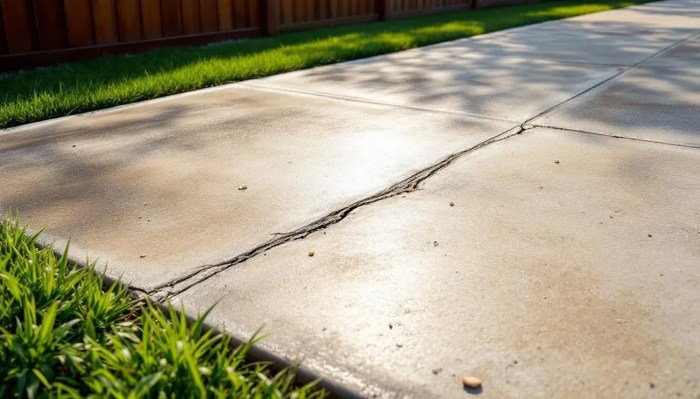
Fixing cracks in a cement patio is essential to prevent further damage and maintain the structural integrity of the surface. Here, we will explore different repair methods to address hairline cracks and larger cracks effectively.
Fixing Hairline Cracks
Hairline cracks are common in cement patios and can be easily repaired with the following step-by-step process:
- Clean the crack: Remove any debris, dirt, or loose particles from the crack using a wire brush or a vacuum.
- Apply crack filler: Use a concrete crack filler or a cement-based patching compound to fill the hairline crack completely.
- Smooth the surface: Once the crack is filled, smooth the surface with a trowel or putty knife to ensure a uniform finish.
- Allow drying time: Let the crack filler dry according to the manufacturer's instructions before walking or placing any weight on the repaired area.
Filling Larger Cracks
When dealing with larger cracks in a cement patio, a more robust repair method is required. Follow these steps to fill larger cracks effectively:
- Clean and prepare the crack: Remove any debris and clean the crack thoroughly to ensure proper adhesion of the repair material.
- Apply bonding adhesive: Use a bonding adhesive to enhance the bond between the existing concrete and the repair material.
- Fill the crack: Fill the larger crack with a concrete patch mix or a polymer-modified cementitious repair mortar.
- Smooth and level the surface: After filling the crack, smooth and level the surface with a trowel to match the surrounding area.
- Cure the repair: Allow the repair material to cure as per the manufacturer's instructions, providing ample time for it to set and strengthen.
DIY Repair Kits vs. Professional Repair Services
When it comes to repairing cracked cement patios, homeowners often face the dilemma of choosing between DIY repair kits and professional repair services. Here is a comparison to help you make an informed decision:
| DIY Repair Kits | Professional Repair Services |
|---|---|
| Cost-effective option | Expertise and experience in handling various repair scenarios |
| Suitable for minor cracks and surface-level damage | Ability to address complex issues and structural damage |
| Requires time and effort for application | Quick and efficient repair solutions |
| May lack long-term durability | Professional-grade materials and techniques for lasting results |
Consider the extent of damage, your skill level, and the desired longevity of the repair when deciding between a DIY approach and professional repair services.
Prevention Techniques
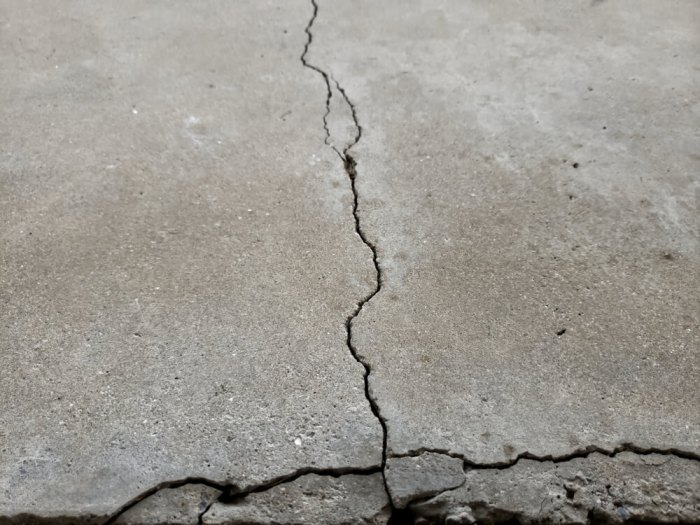
Preventing future cracks in a cement patio is essential for maintaining its longevity and structural integrity. Regular maintenance and proper sealing are key factors in ensuring your patio remains in top condition.
Regular Inspection and Maintenance
One of the most effective ways to prevent cracks in your cement patio is to conduct regular inspections and maintenance. Look out for any signs of wear and tear, such as small hairline cracks, and address them promptly before they escalate into larger issues.
Proper Sealing
Applying a high-quality sealant to your cement patio can help protect it from moisture penetration, which is a common cause of cracking. Sealants act as a barrier against water, preventing it from seeping into the concrete and causing damage. Make sure to reapply sealant as per manufacturer's recommendations to maintain its effectiveness.
Outcome Summary
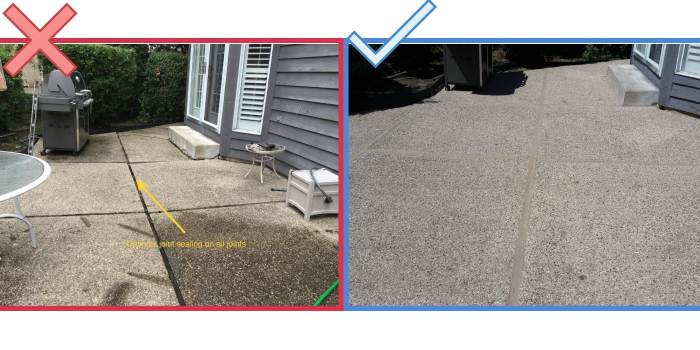
In conclusion, fixing a cracked cement patio requires a combination of proper repair techniques and proactive maintenance. By following the tips and methods Artikeld in this guide, you can ensure that your patio remains durable and crack-free for years to come.
Say goodbye to unsightly cracks and hello to a beautifully restored outdoor space.
Q&A
What are the common reasons for cracks in a cement patio?
Cracks in a cement patio can be caused by factors like weather exposure, poor installation, and ground movement.
How can I prevent future cracks in my cement patio?
To prevent future cracks, ensure proper sealing, regular maintenance, and address any issues promptly.
What is the difference between surface cracks and structural cracks in a cement patio?
Surface cracks are superficial and can be repaired easily, while structural cracks indicate more serious issues that may require professional intervention.