
Exploring the cost of having pavers installed delves into various factors that influence pricing, average cost ranges, cost-saving tips, and additional expenses to consider. Let's uncover the key aspects shaping the overall cost of paver installation.
When it comes to transforming your outdoor space with pavers, understanding the financial aspects is crucial. From material choices to labor costs, each factor plays a role in determining the final expenses.
Factors affecting the cost of paver installation
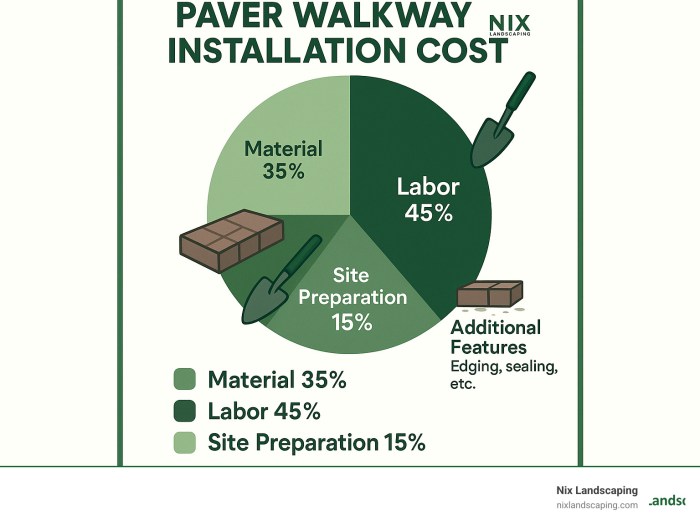
When determining the cost of paver installation, several factors come into play that can significantly impact the overall price of the project. Understanding these factors can help you budget appropriately for your paving needs.
Material Choice
The type of material you choose for your pavers can have a substantial effect on the total cost of installation. For example, natural stone pavers tend to be more expensive than concrete pavers due to the material's quality and durability.
Higher-end materials will naturally increase the overall cost of the project.
Size of the Area
The size of the area to be paved is another crucial factor in determining the cost of installation. Larger areas will require more materials and labor, resulting in a higher overall cost. Additionally, irregularly shaped spaces may require more intricate cutting and fitting of pavers, which can also impact the price.
Labor Costs
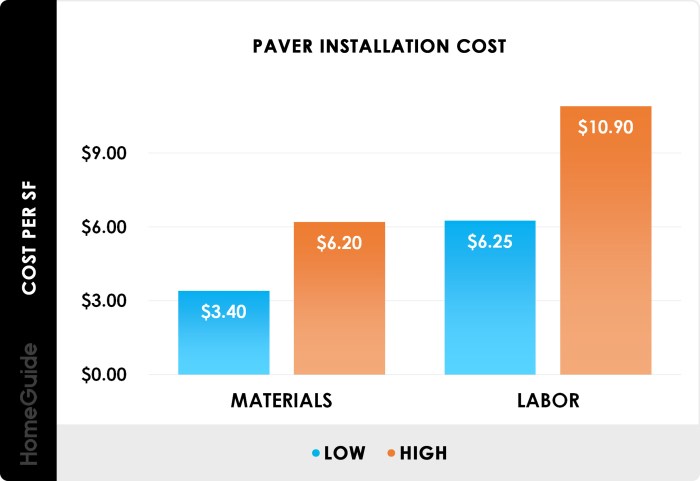
Labor costs play a significant role in the total cost of paver installation. Skilled labor is essential for proper installation, and experienced professionals may charge higher rates for their services. The complexity of the project and the time required for completion will also influence labor costs.
Design Complexity
The complexity of the design you choose for your pavers can affect the overall cost of installation. Intricate patterns, borders, or custom designs may require more time and effort to execute, resulting in higher labor costs. Simple, straightforward designs are generally more cost-effective.
Location of the Project
The location of the project can also impact the cost of paver installation. Projects in remote or hard-to-reach areas may incur additional transportation costs for materials and labor. Urban areas with higher living expenses may also have higher labor rates, affecting the overall price.
Need for Additional Features
If your project requires additional features such as drainage systems, retaining walls, or lighting, these factors will contribute to the overall cost of installation. Each additional feature will require extra materials, labor, and time, increasing the total price of the project.
Average cost ranges for paver installation
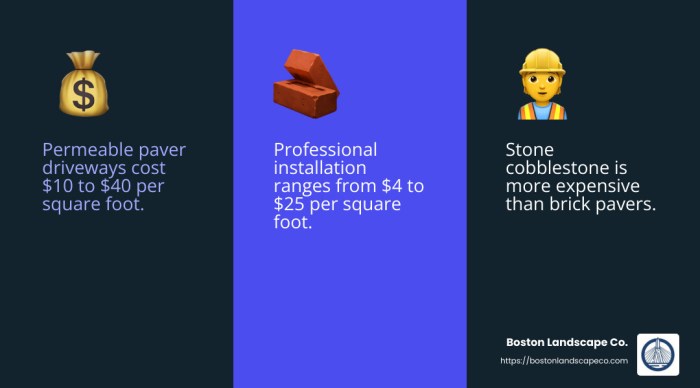
When considering the average cost of paver installation, it is crucial to understand the factors that contribute to the overall pricing. The cost of paver installation can vary based on the type of pavers used, the size of the project, the quality of materials, and the expertise of the contractor.
Average cost per square foot
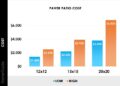
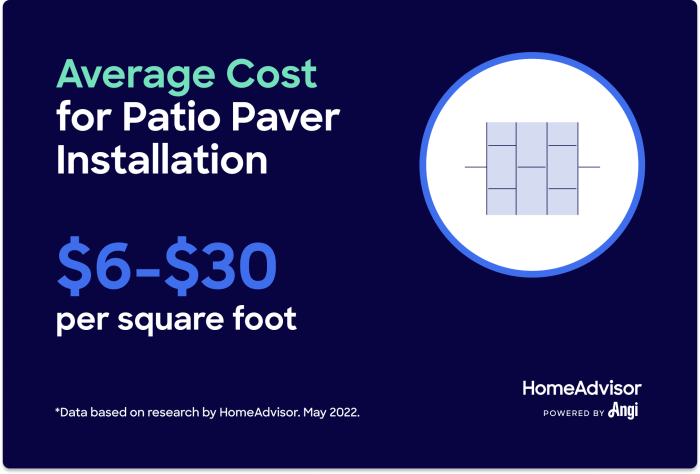
The average cost per square foot for paver installation typically ranges from $6 to $20. However, prices can go higher depending on the region and specific project requirements.
Comparison of pricing between different types of pavers
Concrete pavers
Concrete pavers are the most cost-effective option, with an average price range of $6 to $10 per square foot.
Brick pavers
Brick pavers are slightly more expensive, ranging from $10 to $15 per square foot due to their durability and aesthetic appeal.
Natural stone pavers
Natural stone pavers are the most expensive option, costing between $15 to $20 per square foot. The premium quality and unique look of natural stone contribute to the higher pricing.
Impact of material quality and contractor reputation
The quality of materials used for paver installation directly influences the overall cost
A reputable contractor with a track record of successful projects may charge higher fees for their services, reflecting their experience and professionalism.
Cost-saving tips for paver installation
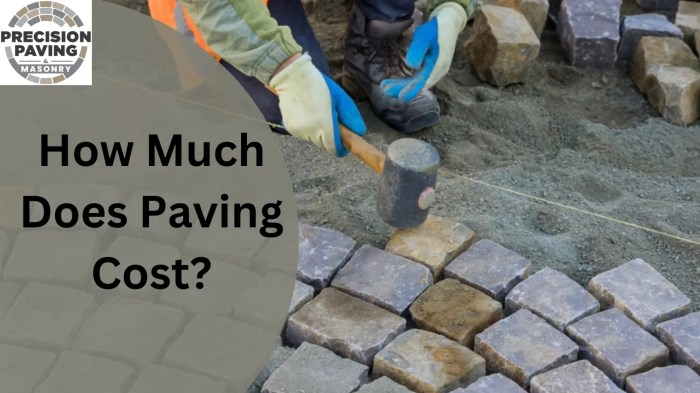
When it comes to paver installation, there are several strategies you can implement to save costs without compromising on quality. Whether you choose to go the DIY route or hire professionals, selecting cost-effective materials and making smart decisions along the way can help you achieve your desired results within budget.
Choose the Right Materials
- Consider using concrete pavers instead of natural stone pavers, as they are typically more affordable.
- Opt for standard-sized pavers that are readily available and require less cutting, reducing labor costs.
- Look for deals and discounts on bulk purchases of pavers and other necessary materials.
DIY vs. Hiring Professionals
- If you have experience with landscaping or construction projects, tackling paver installation yourself can save you money on labor costs.
- However, hiring professionals ensures proper installation and can prevent costly mistakes in the long run.
- Compare quotes from different contractors to find the best value for your budget.
Additional expenses to consider
When planning for a paver installation project, it's essential to be aware of potential additional costs that may arise. These expenses can impact the overall budget and should be considered from the beginning to avoid any surprises later on.
Site Preparation
Site preparation is a crucial aspect of paver installation and can incur additional expenses. Clearing the area, grading the land, removing existing structures, and ensuring proper drainage are all factors that can contribute to the overall cost.
Permits and Regulations
Obtaining permits and complying with local regulations is another important consideration that can add to the cost of paver installation. Depending on your location, you may need permits for construction, zoning, or environmental impact, which may come with associated fees.
Maintenance and Repairs
While pavers are known for their durability, they still require regular maintenance to ensure longevity. Sealing, cleaning, and repairing damaged pavers are ongoing costs that homeowners should factor into their budget to keep their installation looking its best.
Hidden Fees and Unexpected Charges
It's essential to be aware of any hidden fees or unexpected charges that may arise during a paver installation project. These could include delivery fees, disposal costs for old materials, or additional labor charges for unforeseen complications. By anticipating these potential expenses, homeowners can better prepare financially for their paver installation.
Epilogue
In conclusion, navigating the cost of having pavers installed involves a careful balance of budgeting, quality, and smart decision-making. By being informed about the factors at play, homeowners can make cost-effective choices that enhance their outdoor spaces while staying within budget.
Frequently Asked Questions
What factors can influence the cost of paver installation?
Factors like material choice, area size, labor costs, and design complexity can impact the overall cost.
How can homeowners save costs during paver installation?
Choosing cost-effective materials, exploring DIY options, and comparing contractor pricing are effective ways to save on paver installation.
Are there additional expenses to consider beyond the initial paver installation cost?
Yes, additional costs like site preparation, permits, maintenance, and repairs should be factored in when budgeting for paver installation.