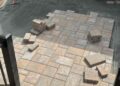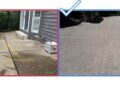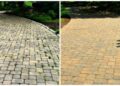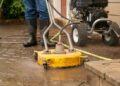

Transforming your outdoor space begins with revitalizing your brick pavers through the power of pressure washing. Discover the secrets to restoring the beauty of your walkways and patios with our comprehensive guide.
Explore the equipment needed, preparation steps, techniques, and cleaning solutions tailored to bring new life to your brick pavers. Let's dive in!
Benefits of Pressure Washing Brick Pavers
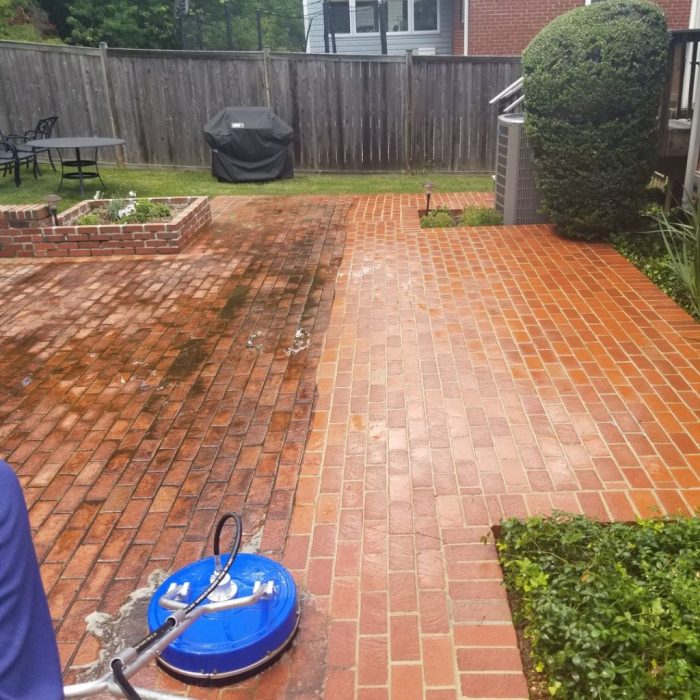
Pressure washing brick pavers can bring several benefits that contribute to their overall appearance and longevity.
Enhanced Appearance
Pressure washing can effectively remove dirt, grime, and stains from brick pavers, restoring their original color and vibrancy. This process can significantly enhance the overall curb appeal of your outdoor space.
Longevity
By regularly pressure washing brick pavers, you can help extend their lifespan. Removing built-up dirt and grime prevents deterioration and damage, allowing the pavers to maintain their structural integrity over time.
Prevention of Mold and Mildew
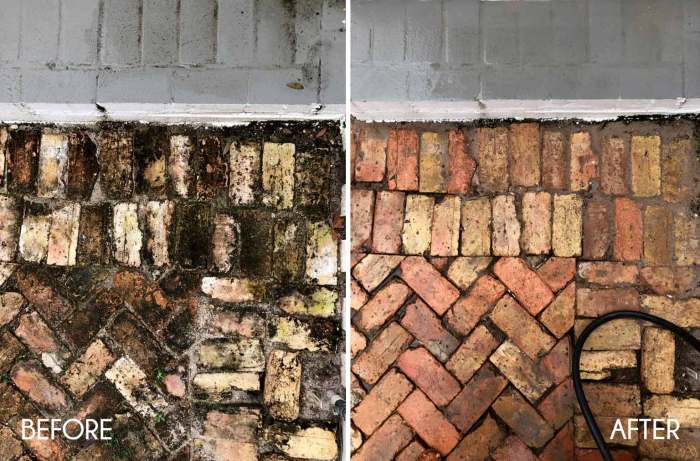
One of the key benefits of pressure washing brick pavers is the prevention of mold and mildew growth. These unsightly and potentially harmful substances can thrive in damp, dirty areas, but pressure washing helps eliminate them, keeping your pavers clean and safe.
Equipment Needed for Pressure Washing Brick Pavers
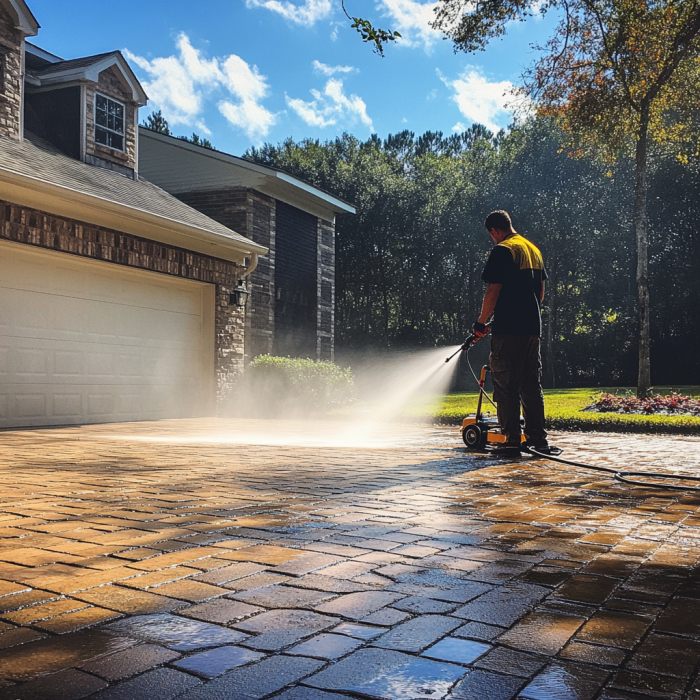
When it comes to pressure washing brick pavers, having the right equipment is crucial to ensure the job is done effectively and efficiently. Here are the essential tools required for pressure washing brick pavers:
Pressure Washer
A pressure washer is the most important tool for this task. There are different types of pressure washers available, such as electric, gas-powered, and even portable models. Electric pressure washers are suitable for smaller areas, while gas-powered ones are more powerful and ideal for larger spaces.
Nozzle and Pressure Settings
Choosing the right nozzle and pressure settings is key to prevent damage to the brick pavers. For brick pavers, it is recommended to use a wide-angle nozzle with a pressure setting of around 1500-2000 PSI. This will effectively remove dirt and grime without causing any harm to the pavers.
Protective Gear
Don't forget to wear protective gear, such as goggles and gloves, while pressure washing brick pavers to ensure your safety.
Cleaning Solution
Depending on the level of dirt and stains on the brick pavers, you may need a suitable cleaning solution to enhance the cleaning process. Make sure to choose a solution that is safe for both the pavers and the environment.
Brush or Scrubber
In some cases, a brush or scrubber may be needed to agitate tough stains or dirt before pressure washing. This can help loosen the grime and make the cleaning process more effective.
Extension Wand
An extension wand can be useful for reaching higher or harder-to-access areas while pressure washing brick pavers.
Surface Cleaner Attachment
For large areas of brick pavers, a surface cleaner attachment can help speed up the cleaning process and ensure a more even clean.Make sure to have all these essential tools on hand before starting the pressure washing process for your brick pavers!
Preparation Steps Before Pressure Washing
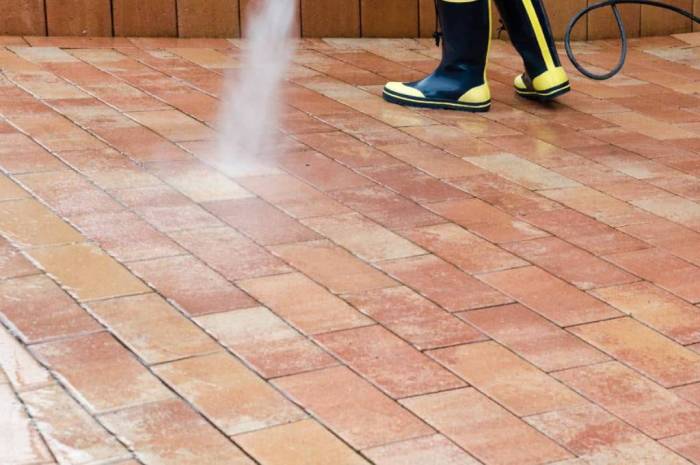
Before starting the pressure washing process on your brick pavers, it is essential to properly prepare the area to ensure effective and safe cleaning.To begin, make sure to clear any debris, loose dirt, or leaves from the surface of the brick pavers.
This step is crucial as pressure washing over debris can lead to ineffective cleaning and potentially cause damage to the pavers.
Clearing Debris and Loose Dirt
- Use a broom or leaf blower to sweep away any loose debris and dirt from the brick pavers.
- Consider using a hose to lightly wet the surface before sweeping to help loosen stubborn dirt or stains.
- Remove any weeds growing between the pavers to prevent them from getting dislodged during pressure washing.
Protecting Surrounding Areas
- Cover nearby plants with plastic sheeting or tarps to protect them from the high-pressure water.
- Move any outdoor furniture or decor away from the area being pressure washed to prevent damage or splashing.
- Consider using sandbags or barriers to protect sensitive areas or prevent water runoff into unwanted areas.
Techniques for Pressure Washing Brick Pavers
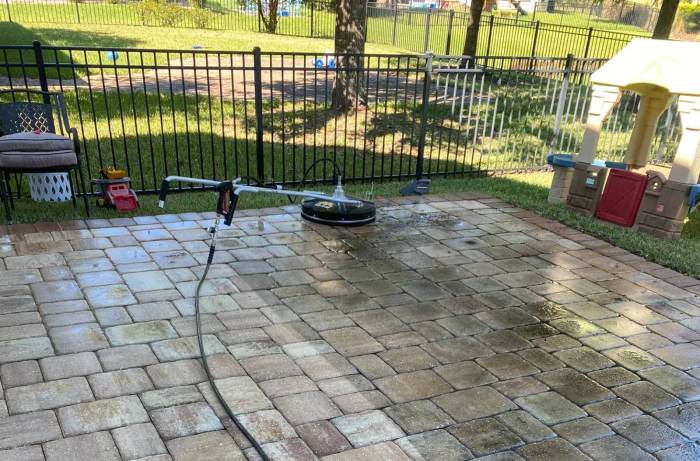
To effectively pressure wash brick pavers, it is crucial to follow recommended techniques to ensure a thorough and safe cleaning process.
Optimal Angle and Distance
When pressure washing brick pavers, it is recommended to hold the pressure washer wand at a 45-degree angle to the surface. This angle helps to maximize the cleaning power while minimizing the risk of damaging the pavers. Additionally, maintaining a distance of 6-12 inches from the pavers allows for effective cleaning without causing any harm.
Tips to Avoid Damage
- Start with the lowest pressure setting and gradually increase if necessary to avoid unnecessary damage.
- Test a small, inconspicuous area first to ensure the pressure is suitable and does not cause any harm.
- Avoid holding the pressure washer wand too close to the pavers, as this can lead to etching or chipping of the surface.
- Move the wand in a sweeping motion to ensure even cleaning and prevent streaking or uneven results.
- Rinse the pavers thoroughly after pressure washing to remove any residue and prevent potential damage over time.
Cleaning Solutions for Tough Stains on Brick Pavers
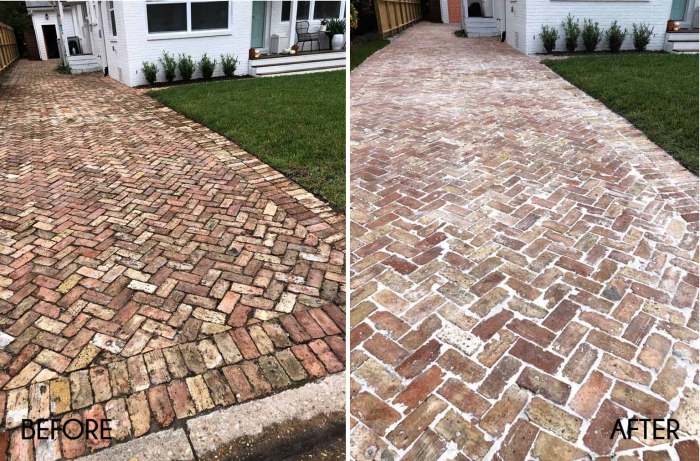
Brick pavers can often accumulate tough stains over time, such as oil spills, mold, mildew, and rust. It is essential to use the right cleaning solutions to effectively remove these stains and restore the beauty of your brick pavers.
Different Cleaning Solutions for Brick Pavers
- Commercial Cleaning Solutions: These are specially formulated products designed to tackle tough stains on brick pavers. They are often effective but may contain harsh chemicals that can be harmful to the environment.
- Eco-Friendly Cleaning Solutions: These are environmentally safe alternatives to commercial cleaners. While they may take longer to show results, they are gentle on the brick pavers and pose no harm to the surrounding vegetation.
DIY Recipes for Homemade Cleaners
- Vinegar Solution: Mix equal parts of white vinegar and water in a spray bottle. Spray the solution on the stained areas and let it sit for a few minutes before scrubbing with a brush.
- Baking Soda Paste: Make a paste using baking soda and water. Apply the paste to the stains, scrub gently, and rinse with water.
- Lemon Juice and Baking Soda: Mix lemon juice with baking soda to create a paste. Apply the paste to the stains, let it sit for a while, then scrub and rinse thoroughly.
Last Word
Elevate the charm of your home by unleashing the potential of your brick pavers through effective pressure washing techniques. With proper care and maintenance, your outdoor oasis will continue to impress for years to come.
FAQ Guide
Can pressure washing brick pavers damage them?
When done correctly with the appropriate pressure settings and techniques, pressure washing should not damage brick pavers.
How often should I pressure wash my brick pavers?
It is recommended to pressure wash brick pavers once a year to maintain their appearance and longevity.
Is it necessary to seal brick pavers after pressure washing?
Sealing brick pavers after pressure washing is not mandatory but can help enhance their durability and appearance.